Corpus Christi Grease Pros
Corpus Christi, TX · Grease Trap Specialists
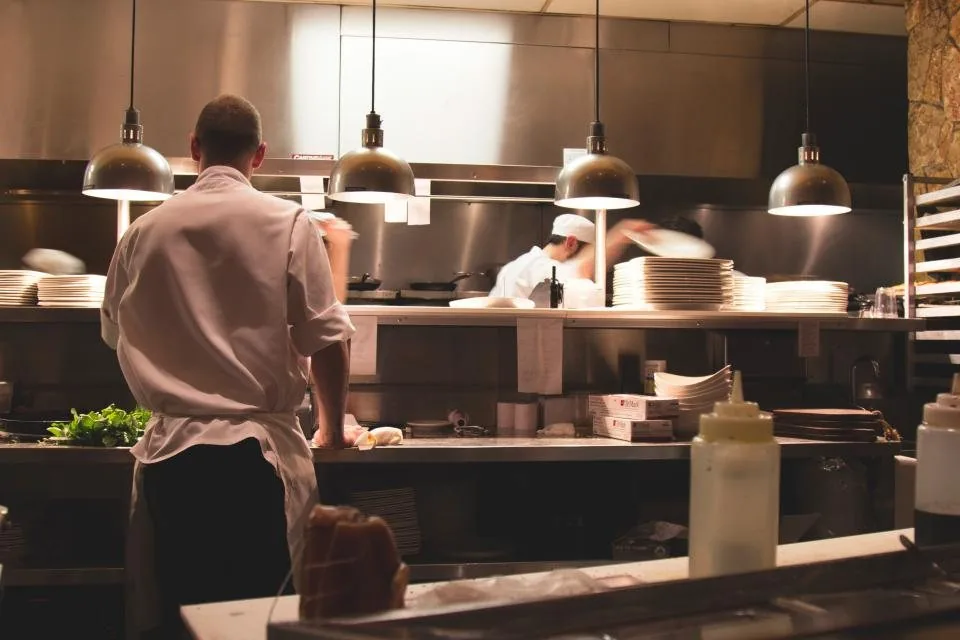
Commercial kitchen line during dinner service
Corpus Christi · Nueces County · Coastal Bend

Grease Trap Cleaning in Corpus Christi, TX

Full pump-outs for restaurants, bars, schools, and commercial kitchens across Corpus Christi. A full service means complete evacuation, walls and baffles scraped, inlet and outlet back flushed, and a signed trip ticket in your hand before the truck pulls off your lot.

Short answer: Texas requires a full grease trap cleaning when grease and solids reach 25 percent of the liquid depth or every 90 days, whichever comes first. In Corpus Christi an indoor 20 to 100 gallon trap typically runs 150 to 500 dollars per service, and an outdoor 500 to 2,000 gallon interceptor 300 to 1,500 dollars or more.

No skimming. No partial loads billed as a full service. No enzyme upsell pitched as a substitute for pumping.

90days
Maximum interval between full pump-outs under Texas rules
25%
Grease and solids depth that forces a clean, whichever comes first
3layers
Grease cap, water and solids. A full pump-out removes all three
7areas
Downtown to Padre Island to Portland covered
Request a Free Quote

Tell us your trap size and get a pump-out price. No obligation.

Full pump-out, every visit
Signed trip tickets
Permitted disposal only
Emergency backups prioritised
Why this keeps going wrong

Most kitchens are not getting a full clean. They are getting a skim.

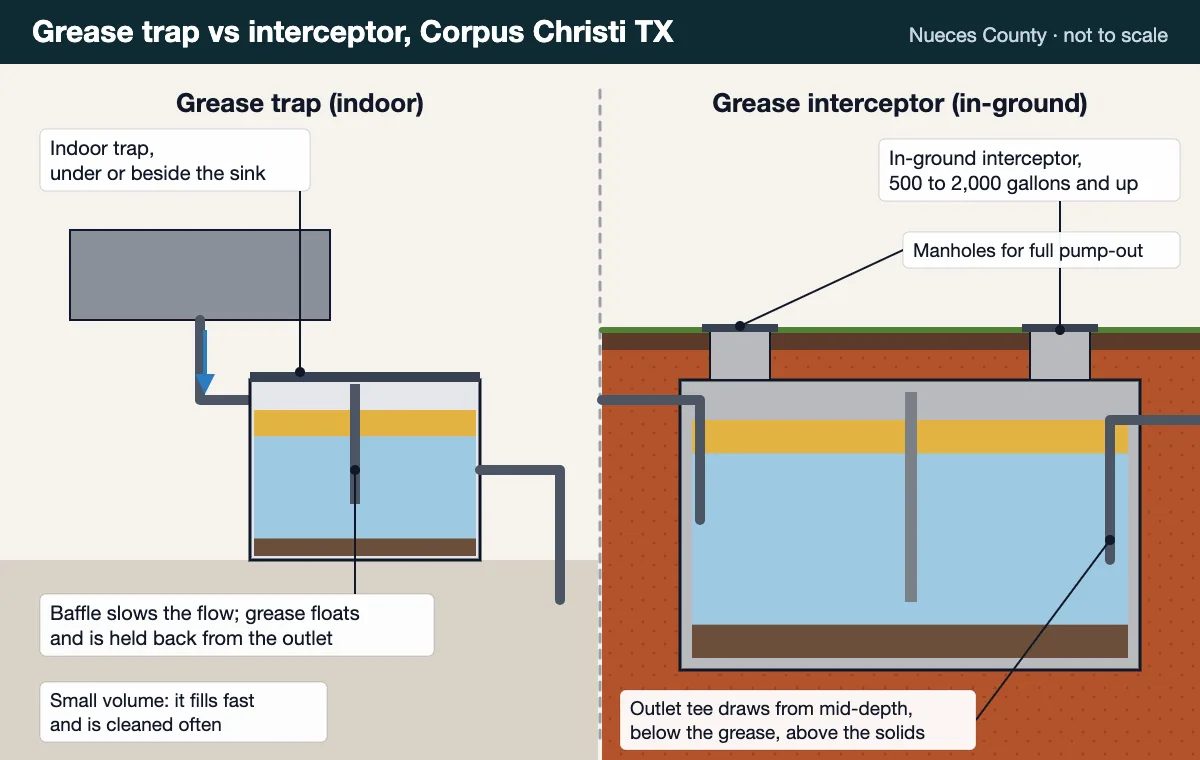
A grease trap works by slowing wastewater down enough that fats, oils, and grease float to the top while food solids sink to the bottom. Clean water leaves through the outlet in the middle. That only holds while there is room for the grease cap and the solids layer to keep growing.

A skim removes the floating cap and nothing else. The tank looks better through the access lid for about a week. The settled solids at the bottom never move, effective capacity keeps shrinking, and the trap starts passing grease downstream well before the next scheduled visit. Then a line blocks, the kitchen floor sink backs up mid service, and a manager who paid for cleaning every month cannot work out what happened.

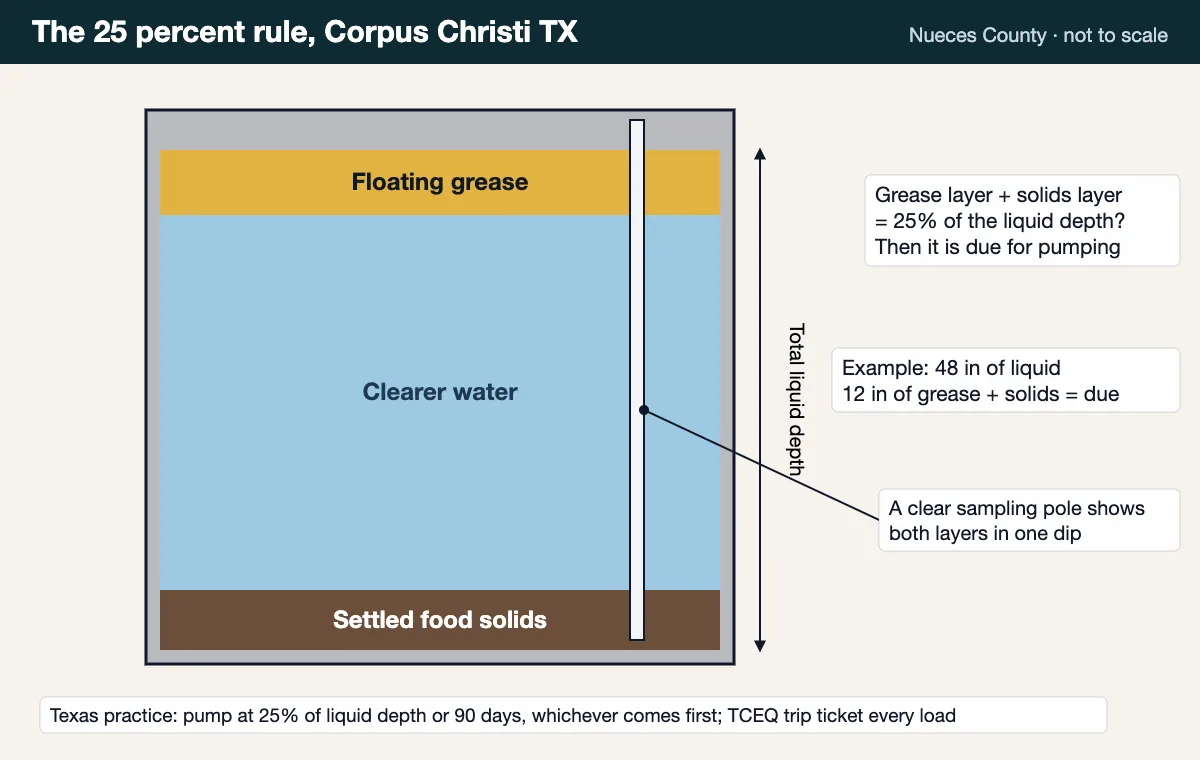
The Texas rule most operators quote is the 90 day interval. The rule that actually catches them is the other one: service is due when grease and solids reach 25 percent of the total liquid depth, and in a Corpus Christi fry house that can be three weeks, not three months. A hauler who only shows up quarterly is not keeping you compliant, they are keeping you on their route schedule.

The right approach is boring and it works. Take everything out. Scrape the walls and the baffles so the next load is not starting from a coated tank. Back flush the inlet and outlet lines. Look at the baffle for cracks or missing sections and tell you if one is failing. Refill with clean water. Hand over the manifest. Set the next visit based on what actually came out of your trap, not a default.

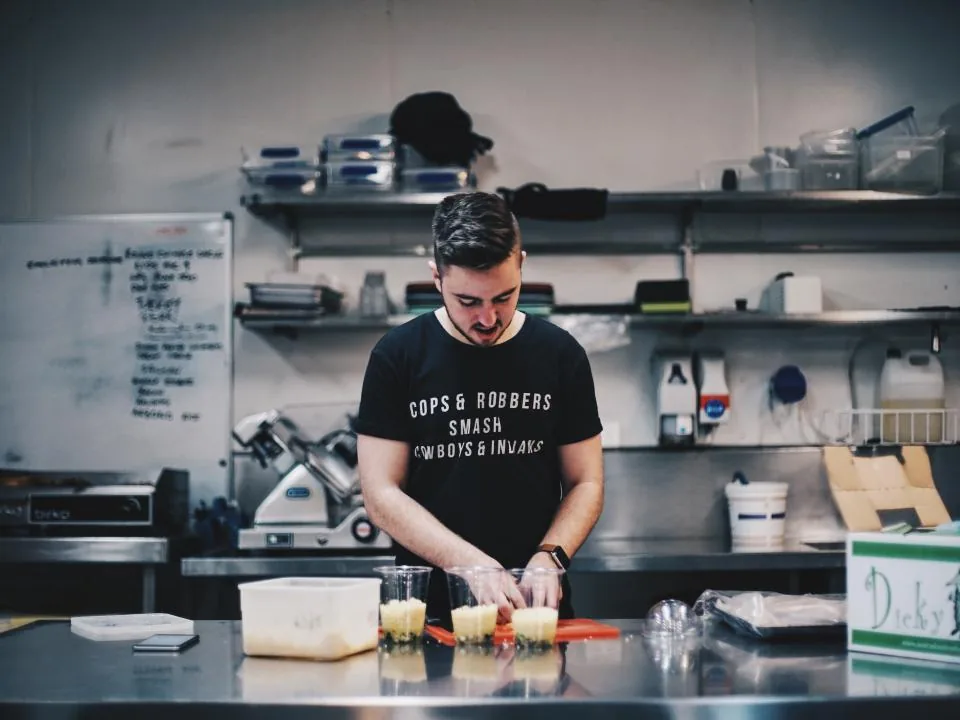
Stainless steel commercial kitchen prep bench with speed racks and a prep list
What every visit includes
  • Full evacuation every visit, documented by volume on the trip ticket
  • Baffle and wall scraping included, not billed as an extra line
  • Inlet and outlet back flush so the blockage does not come back next week
  • Signed manifest left on site before the truck leaves your lot
  • Grease taken to a permitted disposal facility, never a field or a drain
  • Cadence set to your actual grease load, not a generic 90 day default
The process

Four steps, no surprises

You should know the price before the truck moves and hold the paperwork before it leaves. That is the whole standard.

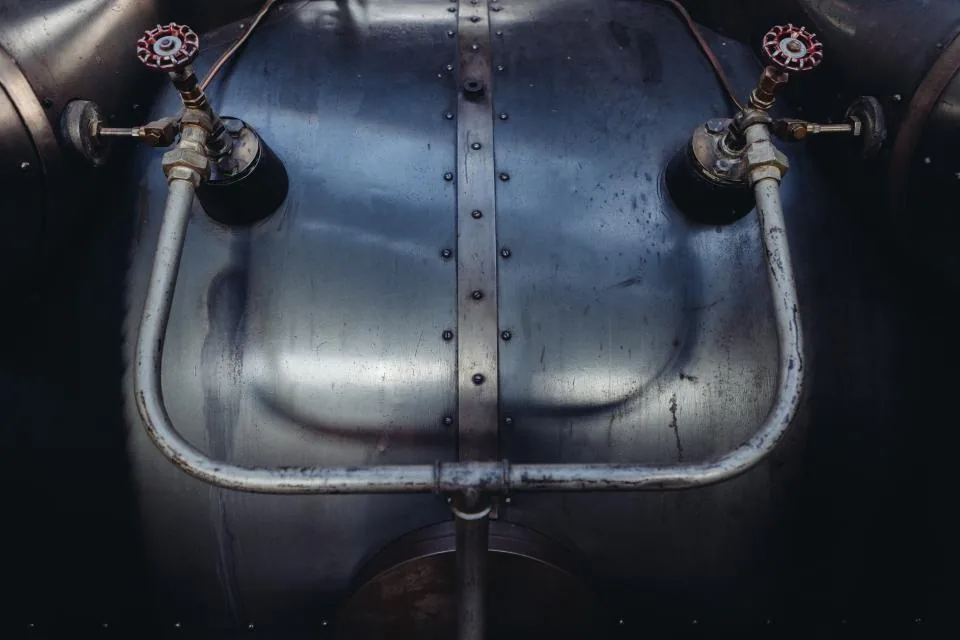
Steel tank with red valve wheels and pipework
01
Tell us the trap

Send the form with your restaurant name, address, and trap size if you know it. If you do not know the size, tell us whether it is under a sink inside or a manhole lid outside. That is enough to price it.

02
A quote before work starts

You get a number first. Gallons, access, and time since last service drive the price. No surprise mobilisation fee turning up on an invoice after the fact.

03
Full pump-out on site

Everything comes out. Walls and baffles scraped, inlet and outlet lines back flushed, baffle inspected for cracks or missing sections, trap refilled with clean water.

04
Signed paperwork on site

You get a trip ticket showing volume removed, date, transporter registration, and the permitted disposal facility. File it. That is what an inspector asks for.

On site

What a full grease trap cleaning looks like

Grease trap cleaning Corpus Christi: an indoor grease trap beside a two-compartment in-ground interceptor
A full grease trap cleaning in Corpus Christi empties the whole unit, indoor trap or in-ground interceptor, rather than skimming the grease cap off the top.

A full cleaning removes the grease cap, the settled solids, and the water in between. That matters more than it sounds, because the layer most often left behind is the sludge on the bottom, and the sludge is what permanently eats your capacity. Grease you can see through the lid. Compacted solids you cannot, unless somebody pumps the tank dry and looks.

The skim test

If your invoice says grease trap cleaning but the truck was on site for twelve minutes and the volume line on the ticket is blank or suspiciously round, you probably paid for a skim. Ask what volume came out. On a 1,000 gallon outdoor interceptor, a genuine full pump-out is close to 1,000 gallons. Anything that reads 200 or 300 gallons was the cap and nothing else.

Common trap sizes around town

  • 20 to 50 gallon indoor units. Bars, coffee shops, sandwich counters, small taquerias. Under a sink or behind a kick panel. Short cycles, fast service, low cost per visit.
  • 75 to 100 gallon indoor units. Most independent full service restaurants. The most common size in Corpus Christi.
  • 500 to 1,000 gallon outdoor in ground interceptors. Newer builds, chain sites, strip centres along SPID. Manhole lid in the parking lot or service yard.
  • 1,500 to 2,000 gallon and larger interceptors. Hotels, schools, hospitals, large seafood houses, and shared interceptors serving several tenants in one centre.

No idea what size you are running? That is common, especially if you took over an existing space. Tell us whether the access is a lid under a sink inside or a manhole cover outside, roughly how many covers you do, and what kind of menu. That is enough to quote and to send the right truck.

Setting the right cleaning cadence

The honest way to set a schedule is to measure. On the first full clean, record the depth of grease and solids and the total liquid depth, so you know how fast your tank loaded since it was last emptied. If your kitchen hit 25 percent in 45 days, your interval is about 30 days with a safety margin, not 90. A menu change that adds a fryer, a new brunch service, a summer season on Padre Island, or a catering contract all change your loading rate, and the interval should be adjusted when the tank says so. If your trap is at 12 percent after 90 days, you are over serviced and an honest hauler will say so.

A quick self check between visits: lower a dipstick or a clean length of PVC to the bottom, cap it with your thumb, lift it out, and look at the layers. If grease plus solids is a quarter or more of the total wet length, you are due. Doing that once a fortnight for a couple of months tells you your real interval better than any estimate over the phone. The pumping frequency guide covers the Texas rule in more detail.
Where we cover

Downtown to the island, and across the bridge

Corpus Christi kitchens do not all have the same problem. A Water Street bar with a 50 gallon unit under the bar sink and a Padre Island seafood house on a 1,500 gallon outdoor interceptor need different trucks, different access, and different cadences. Service should match what the kitchen actually runs.

Salt air matters here too. Lids, frames, and fasteners on outdoor units near the bay corrode faster than inland equivalents, and a seized or rusted lid turns a routine 40 minute service into a two hour job. A good hauler flags that on the ticket before it becomes your emergency.

Downtown and Water Street
Dense restaurant row, tight alley access, small indoor traps on short cycles
North Beach
Seafood houses near the bayfront, heavy fry load, salt air on lids and frames
South Side and SPID
Chain kitchens and strip centre food service along the Padre Island Drive corridor
Padre Island
Island kitchens with seasonal swings, causeway access windows, shared interceptors
Flour Bluff
Independent kitchens and bait to plate seafood, mixed indoor and outdoor units
Calallen
Northwest corridor, newer builds running outdoor in ground interceptors
Portland
Across the Harbor Bridge in San Patricio County, same route day coverage

Not on the list? If you are inside Nueces County or reachable off the Harbor Bridge in San Patricio County, ask. Most of the Coastal Bend is a route day away.

Stack of PVC sewer pipe ends viewed head on
Compliance

The paperwork is the service

Grease trap cleaning Corpus Christi: grease cap, clearer water and settled solids measured against the 25 percent rule
Every visit should record the measured depth against the 25 percent mark and leave a trip ticket.

In Texas, grease trap waste is a regulated waste stream. It has to be hauled by a registered transporter, tracked on a manifest, and taken to a permitted facility. When a health inspector or a city FOG officer asks how your trap is being managed, what they want to see is the paper trail, not a verbal assurance that someone came out last month.

That means the trip ticket is not an administrative afterthought. It is the only durable evidence that your trap was serviced, how much came out, and where it went. A hauler who is vague about leaving you a signed copy is telling you something.

Make sure the manifest is left on site at the end of every job, and ask whether the hauler keeps a copy they can resend if you lose yours.

Common questions

What Corpus Christi operators ask us first

How often does a Corpus Christi restaurant need its grease trap cleaned?

Texas rules give you two triggers, whichever comes first. Pump when grease and solids reach 25 percent of the total liquid depth, or at least once every 90 days. Most Corpus Christi kitchens with an indoor 40 to 100 gallon trap land on a 30 day cycle because that 25 percent line arrives long before the 90 day calendar does. High volume seafood and fry houses on Water Street or Padre Island often run every two to three weeks.

What is a trip ticket and why does it matter?

A trip ticket is the transport manifest a registered grease hauler fills out for every load. It records the generator, the volume removed, the date, the transporter registration number, and the permitted disposal site that accepted the waste. If an inspector asks how your trap was serviced and where the grease went, the trip ticket is the answer. Keep them on site, and make sure you get a signed copy before the truck pulls away.

Should the whole trap be pumped, or just the top skimmed?

A proper service pumps the whole trap. Skimming means vacuuming the floating grease cap and leaving the water and the settled solids behind. It is faster, it is cheaper for the hauler, and it is the single most common way Corpus Christi kitchens get shorted. A proper service removes all contents, scrapes the walls and baffles, back flushes the inlet and outlet, then inspects the baffle for damage before refilling with clean water.

My trap is backing up right now. How fast can you be here?

Send the form with your address, trap size if you know it, and what you are seeing. Say it is an emergency in the first line. A backed up trap in the middle of dinner service is a health department risk, a slip risk, and a possible sewer overflow, so it should not wait for the next routine route day.

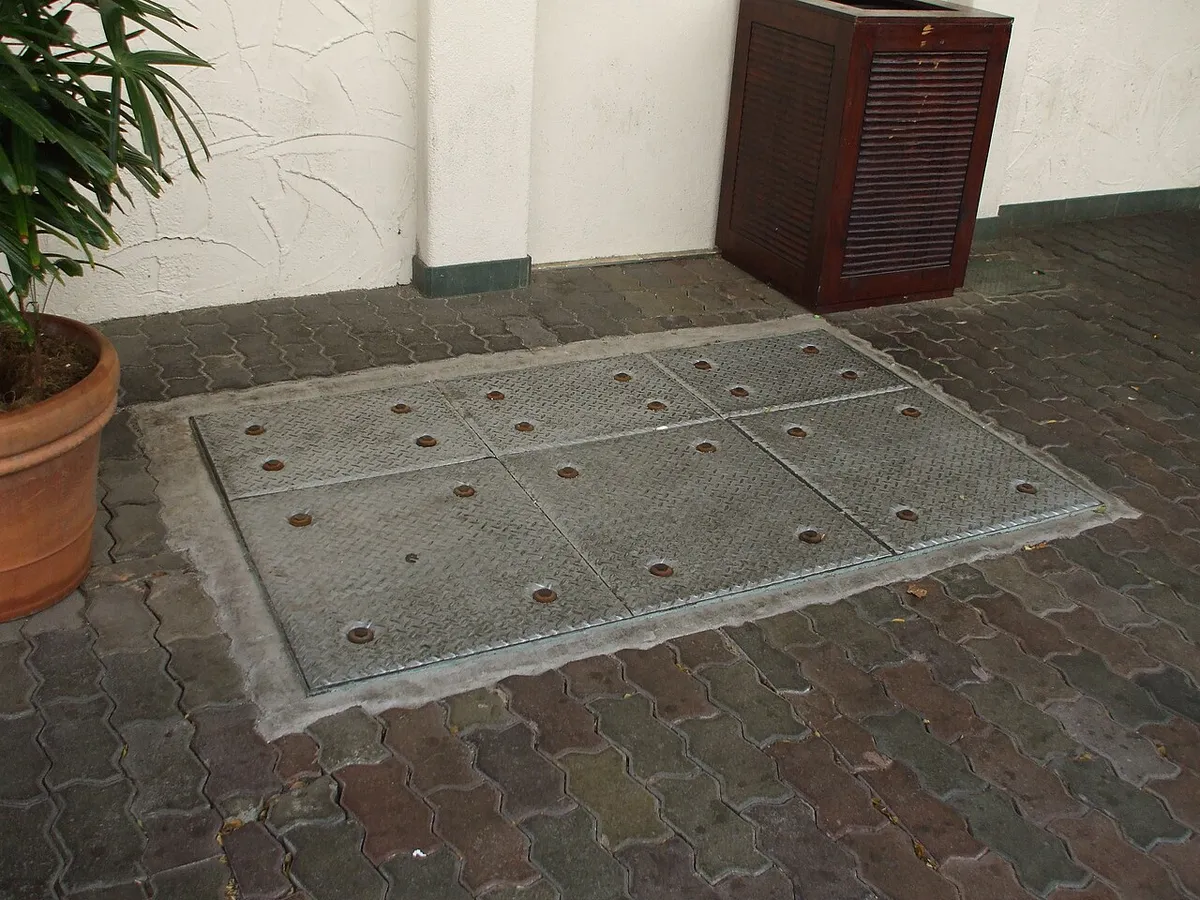
Access covers of an in-ground grease interceptor in paving
Outdoor interceptors show up as covers in the lot. Every one of them has to be opened for a full pump-out.

Are enzyme or bacteria additives a substitute for pumping?

No. Additives emulsify grease so it passes through the trap instead of being captured. That is the opposite of what a trap is for. The grease does not disappear, it moves downstream into the city collection system where it hardens. Additive use is not accepted as a substitute for mechanical cleaning. Pump the trap.

What does grease trap cleaning cost in Corpus Christi?

An indoor under sink unit in the 20 to 100 gallon range typically runs about 150 to 500 dollars per service. An outdoor in ground interceptor from 500 up to 2,000 gallons typically runs 300 to 1,500 dollars or more, driven by gallons pumped, access, and how long since the last full service. Send the trap size to get a price before any work starts.

How long does a grease trap cleaning take in a working kitchen?

An indoor 40 to 100 gallon under sink unit is usually 30 to 60 minutes door to door. An outdoor in ground interceptor between 750 and 1,500 gallons runs 60 to 120 minutes depending on how much solid has set up on the bottom and whether the lid opens cleanly. Most Corpus Christi kitchens book service between the lunch push and the dinner push, or early before prep starts.

Do I have to shut the kitchen down during the work?

No. You need to stop putting water down the lines that feed the trap while the tank is open, which in practice means the three compartment sink, the mop sink, and any floor drains tied to it. Cooking, plating, and service on the other side of the kitchen carry on. If your trap is under a prep station, you should be told which station to hold before anything is opened.

Can a trap that has not been serviced in over a year still be cleaned?

Yes, and it helps to say so up front. A neglected trap has a hardened grease cap and a compacted solids layer that has to be broken up and worked out, which takes longer and sometimes needs water added to mobilise. It prices higher, but it is a one time catch up. Once you are on a proper cadence, routine visits go back to normal length and normal price.

Can more than one location be serviced on the same day?

Usually, yes. If you run several restaurants around Corpus Christi, ask for them to be built into one route day so you are not chasing separate appointments across a week. Send all the addresses and trap sizes at once to get the group priced.

Send the trap size. Get a real number back.

Routine service, a first clean on a trap nobody has touched in a year, or a backup happening right now. Tell us which and get a price before anything moves.

  • Free quote, no obligation and no call required
  • Quoted before dispatch, not after the invoice
  • Covering Corpus Christi, Nueces County, and Portland

Want the areas list first? The service area page breaks down every neighborhood covered.

Request a Free Quote

Tell us your trap size and get a pump-out price. No obligation.

Request Service
Free quote, no obligation